Insights · Workflow Governance
The Workflow Steward: the missing role between experts, AI and leadership
The Workflow Steward maintains process quality, evidence discipline and stage readiness without replacing expert judgment.
AI-assisted work introduces a process gap. Experts own substance, project managers coordinate delivery and leaders decide, but someone must maintain the quality of the governed reasoning between them.
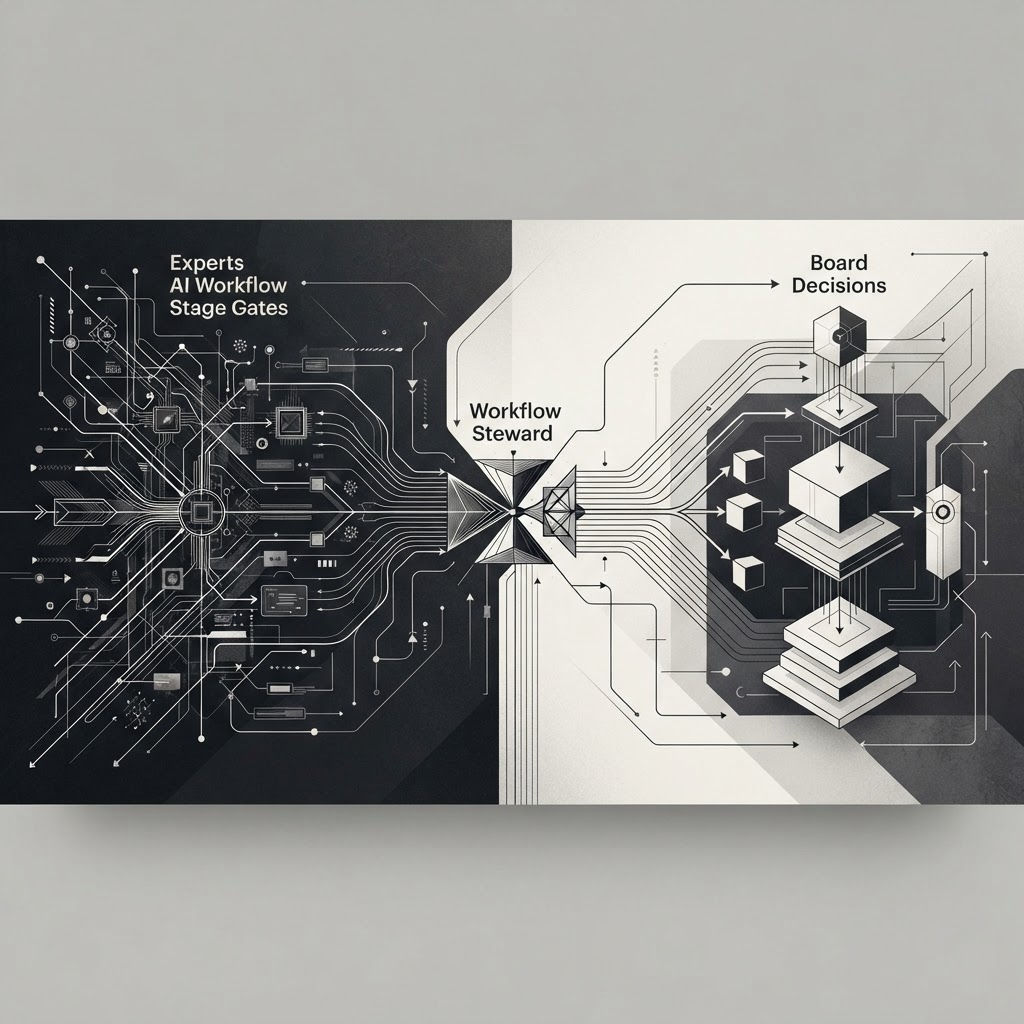
01
Where existing roles stop
Experts judge domain content. Project managers coordinate scope, schedule and resources. Leaders accept material commitments. None of these roles necessarily owns evidence references, validation stages, divergent views and readiness rules across an AI-assisted workflow.
When that ownership is implicit, governance becomes inconsistent. Teams either over-trust generated outputs or add review as an informal final step.
02
What a Workflow Steward does
The steward configures or applies the approved workflow, confirms required roles, monitors evidence coverage and keeps assumptions and unresolved challenge visible. The steward does not decide whether a technical claim is correct.
The role protects the path by which a claim becomes ready for decision. It can be performed by a trained customer role and does not require a permanent external facilitator.
The Workflow Steward owns process integrity, not the expert conclusion.
03
Stage gates and evidence checks
At each gate, the steward verifies that required evidence, validation and ownership exist for the transition. A gate can return work for revision, allow conditional progress or escalate a blocked condition.
Checks should be proportionate. A low-risk drafting workflow needs less control than a capital commitment or regulatory submission.
04
Revision and escalation
AI-assisted outputs improve through revision. The steward ensures revisions address the actual challenge and preserve traceability rather than replacing the record with a cleaner final answer.
Escalation occurs when reviewers disagree, evidence is inadequate, policy is exceeded or a decision requires higher authority. The steward frames the unresolved condition without making the decision.
05
Connecting experts and Boardroom
Experts need detailed evidence and technical context. The Boardroom needs validated risks, readiness and required decisions. The steward ensures both views refer to the same governed findings and that leadership decisions return to the workflow.
This reduces loss in translation and prevents an executive summary from becoming detached from its supporting conditions.
06
Transferability to customer use
A workflow is sustainable when customer teams can operate it. Templates, role guidance, validation criteria and escalation paths should be documented and teachable. The steward role can sit in transformation, portfolio, quality or governance functions.
Transfer also requires restraint: customers should adapt stage gates to consequence and operating model rather than copy every control.
07
Why the role matters
Generative AI increases the speed and volume of plausible work. Process quality can become the limiting factor. A Workflow Steward keeps speed connected to evidence, challenge and accountable transition.
The role enables responsible reuse. Once a workflow is proven, stewards can apply the same governance discipline to new contexts while experts retain control of substantive judgment.
FAQ
Direct answers
Does the Workflow Steward replace the project manager?
No. The steward owns governed reasoning and stage quality; the project manager coordinates delivery.
Does the steward approve expert conclusions?
No. Appropriate experts validate content and accountable leaders make consequential decisions.
Continue reading
Related articles
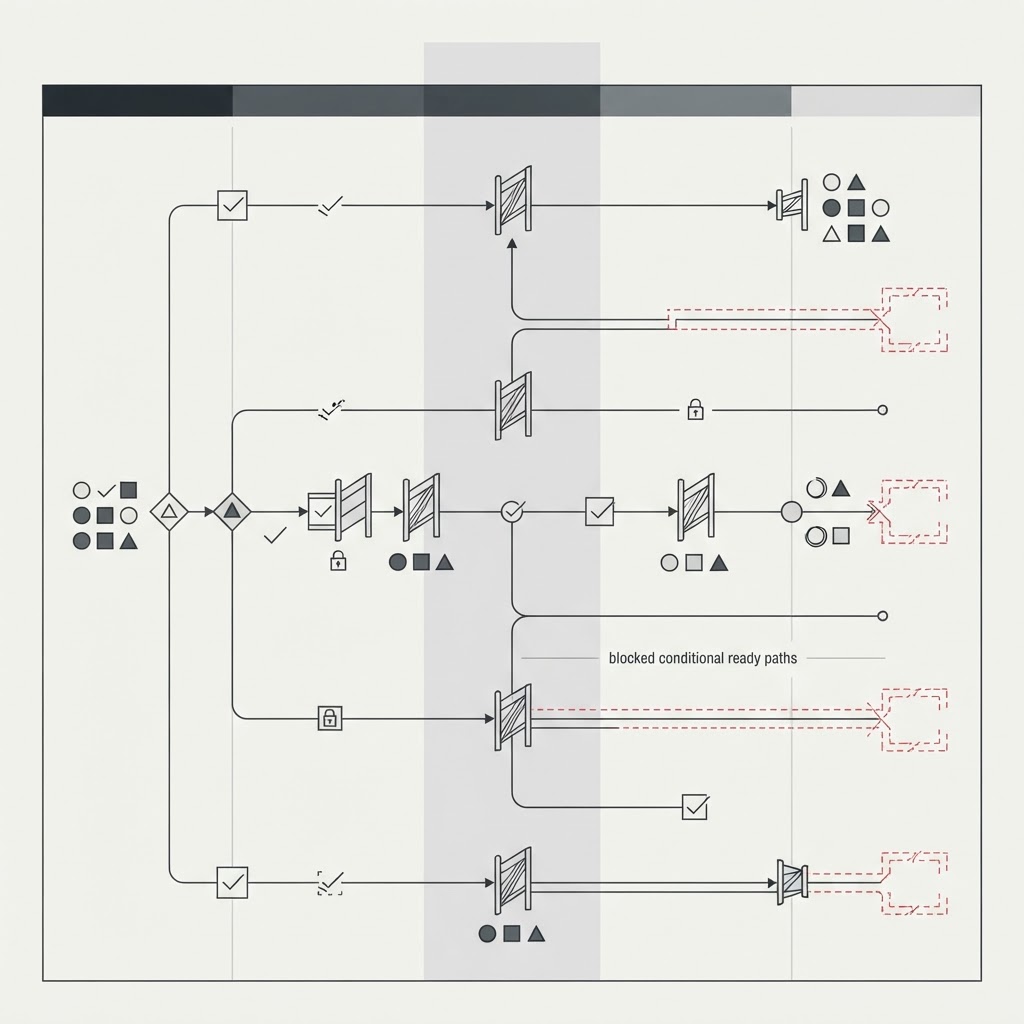
Execution Readiness: what leadership should know before commitment
A structured way to evaluate whether a plan has sufficient clarity, ownership, evidence and capability to move forward.
Read article →
Why every critical workflow needs a structured dissent mechanism
Red Team reviews and mandatory divergent views reduce collective blindness and expose weak conclusions before commitment.
Read article →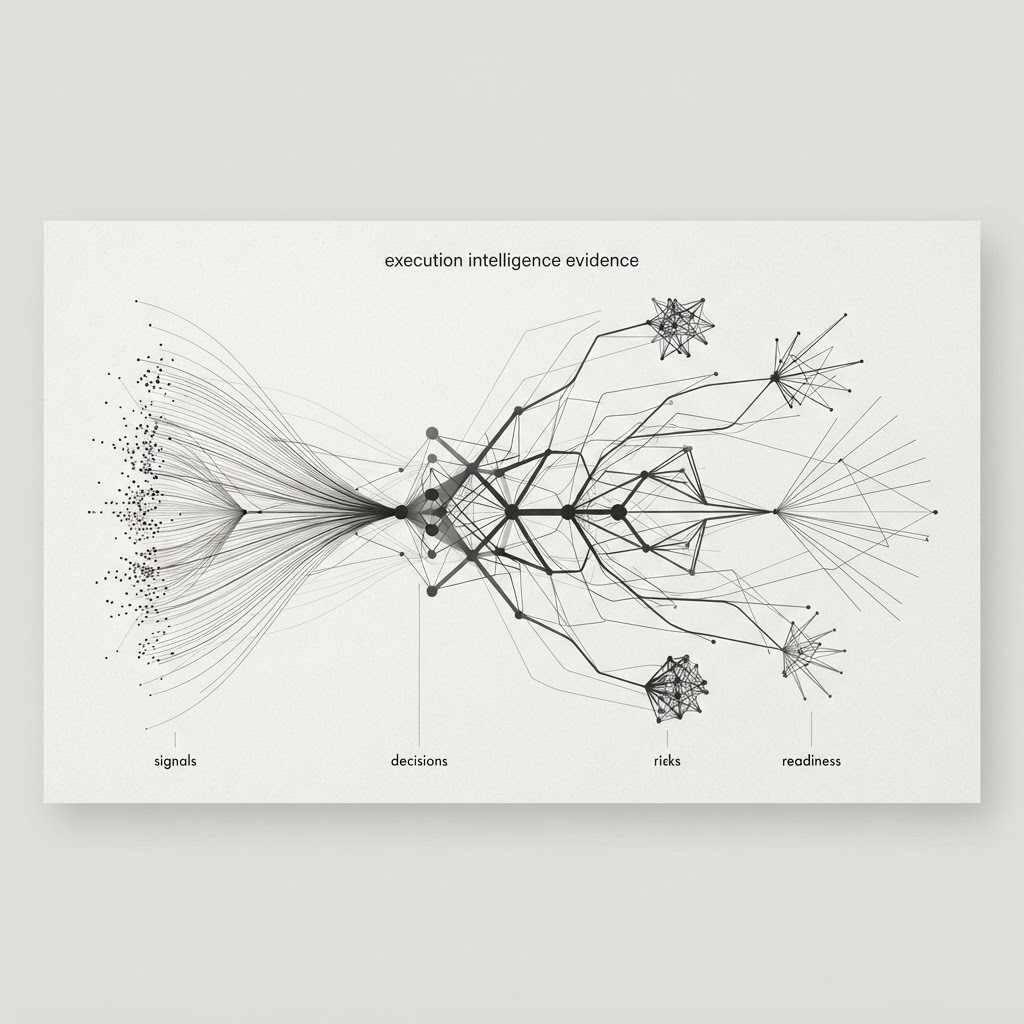
What is Execution Intelligence — and why dashboards are not enough
Execution Intelligence connects signals, evidence, assumptions, risks, decisions and human validation into a governed operating model.
Read article →